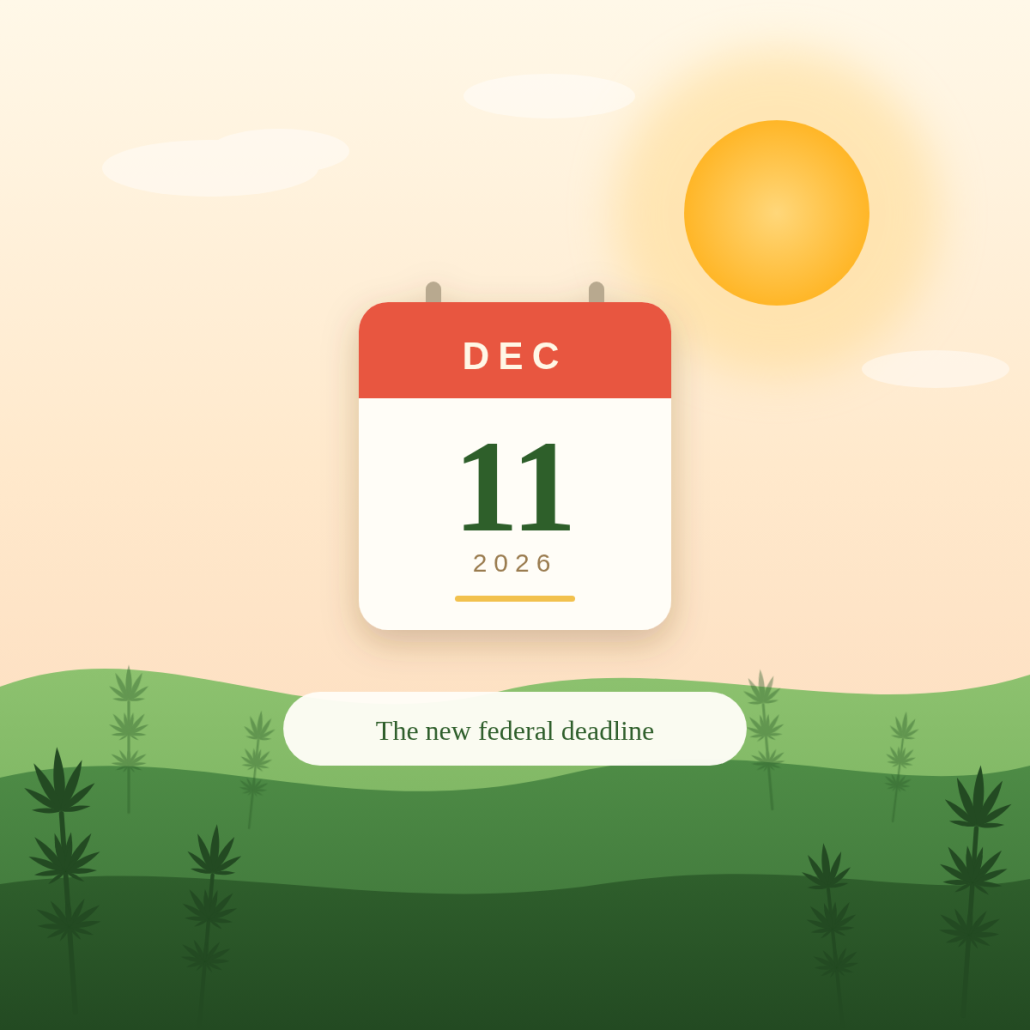
If you’ve seen a headline this month telling you your CBD gummies are about to be outlawed, take a breath. I did too — right there at my kitchen counter, coffee going cold, thumb scrolling faster than my brain could keep up. Here’s the calm version, from someone who actually read the law. I’m going to be honest with you: the first time I read about the 2026 federal hemp ban, my stomach dropped a little. Not because of the business. Because of the small routine I’ve built around a gummy at 9 p.m., after the dishes are done and the house finally goes quiet. So I did what I always do when something scares me on the internet. I stopped reading the headlines and went and read the actual document. And what I found was more complicated than “CBD is banned” — and, for most people reading this, a lot less frightening. Let’s go through it together, in plain English. The short answer (in 30 seconds) No, CBD is not being made illegal. Cannabidiol itself isn’t the target of the law. What changed is the federal definition of hemp. It now measures total THC — not just delta-9 — and caps finished consumable products at 0.4 milligrams of total THC per container. The cap was set to hit November 12, 2026. A Senate vote on August 10 moved most of it to December 11, 2026, though the House hasn’t matched that language yet. Broad spectrum and THC-free CBD products are the ones built to sail through this. Full spectrum products — the ones that carry trace THC on purpose — are where the real disruption lands. What actually changed in the law The change came through the federal appropriations law signed on November 12, 2025 (Public Law 119-37). It didn’t ban a plant. It rewrote a measurement — and in this industry, the measurement is the law. Since the 2018 Farm Bill, hemp has been defined by one number: no more than 0.3% delta-9 THC by dry weight. That single word — delta-9 — is the doorway the entire intoxicating hemp market walked through. THCA, which converts to THC when you heat it, wasn’t counted. Delta-8, made in a lab from CBD, wasn’t clearly covered either. The new law closes that doorway three ways: It counts total THC, including THCA and other cannabinoids with similar effects — not just delta-9. It removes synthetically produced cannabinoids from the federal definition of hemp entirely. That’s delta-8, delta-10, THC-O and their cousins. It sets a hard per-container ceiling of 0.4 milligrams of total THC in a finished consumable product. That last one is the part people keep misreading, so let me say it clearly: 0.4 mg is per container, not per serving. Not per gummy. Per jar. A single 5 mg hemp gummy is more than twelve times the limit all by itself. A twenty-count jar of them is roughly 250 times over. “This isn’t a rule that shrinks the intoxicating hemp market. It’s a rule that ends it.” Industrial hemp — grown for fiber, grain, seed oil, and all the non-cannabinoid uses — is explicitly protected and isn’t touched by any of this. The dates that actually matter NOVEMBER 12, 2025P.L. 119-37 signed into law, with a one-year runway before the new hemp definition takes effect. AUGUST 10, 2026At 3:35 in the morning, the Senate voted 61–32 to table an amendment that would have held the original November deadline — preserving a 29-day delay to December 11. SEPTEMBER 30, 2026Current federal funding expires. The House passed its own bill with no hemp language, so the two chambers still have to agree before this delay is real. NOVEMBER 12, 2026Synthetically produced cannabinoids lose federal hemp status regardless of the delay. This carve-out was not extended. DECEMBER 11, 2026If the delay holds, the 0.4 mg total THC cap takes effect for finished consumable hemp products. One more thing worth knowing, because it shapes how much hope to place in another extension: the White House has signaled through its legislative affairs office that there will be no further delays beyond the one already in the funding bill. I’d plan accordingly rather than wait for a rescue. So does the hemp ban make CBD illegal? No. And I want to be careful here, because “no” isn’t the same as “nothing changes.” CBD is not an intoxicating cannabinoid and it is not what this law is aimed at. What determines whether a given product survives December 11 isn’t whether it contains CBD — it’s how much total THC is in the container. Which means the answer depends entirely on which of three formulas your gummies are made from. Full spectrum vs. broad spectrum vs. THC-free: the difference just became the whole ballgame Formula What’s in it Where it stands under the new cap Full Spectrum CBD plus the plant’s other cannabinoids, including trace THC under 0.3% by dry weight. Most exposed. Trace THC across a whole jar can easily exceed 0.4 mg per container, even in a product no one would call intoxicating. Broad Spectrum CBD plus supporting cannabinoids and terpenes, with THC removed after extraction. Well positioned. Keeps the fuller plant profile without carrying the THC that triggers the cap. THC-Free / Isolate Purified CBD with THC removed to non-detectable levels. Least affected. Nothing in the formula runs up against the ceiling. Here’s the quiet irony a lot of coverage misses. This law was written to stop 100 mg delta-8 gummies at gas stations. But because the cap is measured per container instead of per serving, it also catches gentle, non-intoxicating full spectrum wellness products that have been sold responsibly for years. Whether the FDA’s forthcoming guidance softens that — the agency still hasn’t defined what a “container” even is — remains an open question. What this means for the jar in your cabinet If you take CBD as part of your daily routine, here’s what I’d actually do with this information. 1. Turn

It’s 2:00 AM, and the ceiling fan is spinning with a rhythmic, mocking consistency. You’ve counted sheep, adjusted the thermostat, and tried that breathing exercise you saw on social media. Yet, rest feels miles away. This familiar scenario drives millions to seek natural, gentle solutions for winding down at night. In 2026, the conversation has shifted decisively toward CBD gummies for sleep as part of a holistic wellness routine. As more people explore alternatives to harsh pharmaceuticals, the spotlight is shining on the science of cannabinoids. The question is no longer just whether CBD may support relaxation, but how it works — and why specific formulations are capturing the attention of the wellness world. The Science of Calm: How CBD Gummies for Sleep May Support Rest To understand the growing interest, we need to look beneath the surface. The human body is equipped with an endocannabinoid system (ECS), a complex network of receptors that plays a role in maintaining balance, or homeostasis. The ECS is involved in regulating mood, appetite, and our sleep-wake cycles. When you consume high-quality CBD gummies for sleep, the cannabinoids interact with these receptors, gently encouraging the nervous system toward a state of calm. Unlike some traditional sleep aids, CBD works subtly. Many people report that it helps quiet racing thoughts and physical tension, creating a more comfortable internal environment for rest to arrive naturally. The Power of the Entourage Effect However, not all CBD products are created equal. Research in 2026 continues to highlight the importance of the “entourage effect.” This concept describes what happens when CBD is combined with the full range of cannabinoids — particularly CBN (cannabinol). Rather than isolating a single compound, full-spectrum and broad-spectrum gummies draw on the whole plant profile. These compounds may work together synergistically, each potentially supporting the other’s effects. When exploring CBD gummies for sleep, a product that leverages this entourage effect is often worth considering for a more complete wellness experience. What the Research Says About CBN CBN is one of the most talked-about cannabinoids in the wellness space right now, and the early research is genuinely interesting. A 2024 study published in Neuropsychopharmacology by researchers at the University of Sydney’s Lambert Initiative found that CBN was associated with increases in both REM and non-REM sleep in early preclinical research, with human trials now underway [2]. Separately, a double-blind, placebo-controlled study published in Sleep found that participants taking 50 mg of CBN showed notable differences in sleep measures compared to the placebo group, with most participants experiencing what researchers described as a clinically meaningful improvement [3]. Another randomized controlled study found that individuals receiving 20 mg of CBN showed reduced nighttime awakenings compared to placebo [4]. It is important to note that this research is still in early stages, and scientists are careful to say that more large-scale human trials are needed before drawing firm conclusions. Nevertheless, these findings are part of why CBN has become such a compelling ingredient to watch in the sleep wellness space. Real Data: What WHOOP Research Reveals Beyond the lab, real-world data is also painting an interesting picture. WHOOP, the wearable fitness and recovery company, analyzed data from their user base and found that people who consumed CBD before 10:00 PM reported increases in total sleep duration of nearly nine minutes on average [1]. The data also showed modest increases across slow-wave sleep, REM sleep, and light sleep stages. These findings are observational rather than clinical, and WHOOP is clear that they are not a substitute for medical advice. However, they reflect a growing pattern of real people incorporating CBD into their evening routines and reporting positive experiences with their rest. Why Gummies Are a Popular Choice for Nighttime Wellness With oils, vapes, and capsules all available, why are gummies emerging as a go-to for nighttime routines? The answer lies in consistency and ease. When you eat a gummy, the CBD passes through the digestive system before entering the bloodstream. This gradual process means the onset of any calming effects is slow and steady — typically 45 minutes to an hour. For a nighttime routine, that pacing is ideal. It provides a sustained, gentle experience throughout the evening rather than a sharp peak and drop. Furthermore, gummies offer pre-measured servings, removing the guesswork of droppers or tinctures. Building Your Ideal Nighttime Routine Incorporating CBD gummies for sleep works best as part of a broader, intentional wind-down ritual. For a smooth experience, try taking your gummy about an hour before you plan to settle in for the night. Use that window to create a calming environment: dim the lights, step away from screens, and perhaps enjoy a warm cup of herbal tea or some light reading. Start with a modest serving — many people begin with 10–25mg — and pay attention to how your body responds over several nights before making any adjustments. Consistency tends to matter; the ECS often responds well to regular, daily support rather than occasional use. Most importantly, listen to your body. Everyone’s experience with CBD is different. If you have any health conditions or take medications, it is always a good idea to speak with a healthcare professional before adding any new supplement to your routine. When you are ready to explore, the carefully crafted formulations available at Feel Good Edibles are a great place to start. Quality ingredients and transparent labeling make it easy to feel confident about what you are putting into your body — and that peace of mind is a wonderful foundation for a restful night. References WHOOP. (2026). CBD and Sleep: Can CBD Improve Sleep? whoop.com Cheung, K. et al. (2024). A sleepy cannabis constituent: cannabinol and its active metabolite. Neuropsychopharmacology. nature.com Oxford Academic. (2024). Exploring the Efficacy of Cannabinol in Sleep Enhancement. SLEEP. academic.oup.com Saleska, J.L. et al. (2023). A double-blind, randomized, placebo-controlled study of the safety and efficacy of cannabinol. PubMed. pubmed.ncbi.nlm.nih.gov

In recent years, a quiet revolution has been unfolding in the wellness world. While the stereotype of cannabis users often involves young adults, the fastest-growing demographic of enthusiasts is actually quite different. A recent study from the University of Colorado highlights a significant trend: older adults embracing CBD edibles and other cannabis products at unprecedented rates. For many seniors, the “golden years” are being redefined not by limitations, but by a newfound sense of relief and vitality. As legal barriers continue to fall and scientific research expands, more older adults are discovering that CBD (cannabidiol) offers a natural, effective way to manage the common challenges of aging. In this post, we will explore why this shift is happening and how Feel Good Edibles is supporting this growing community. The Science Behind the Trend: Why Now? The University of Colorado study suggests that the primary motivation for older adults is simple: they want to feel better. Today’s seniors are approaching cannabis with a medicinal mindset. They are looking for alternatives to traditional pharmaceuticals, which often come with a long list of side effects. CBD, the non-psychoactive compound found in hemp, is particularly appealing. It provides the therapeutic benefits of cannabis without the “high.” This makes it an ideal choice for those who want to stay clear-headed while managing chronic conditions. As a result, we see more older adults embracing CBD edibles every single day. Common Reasons Older Adults Are Embracing CBD Edibles Why exactly are seniors making the switch? The reasons are as diverse as the individuals themselves. However, several key themes emerge: Pain Management: Arthritis and chronic joint pain are common hurdles in later life. CBD’s anti-inflammatory properties can help reduce swelling and discomfort, making daily activities more manageable. Better Sleep: Insomnia and restless nights can take a toll on overall health. Many older adults find that a CBD edible before bed helps them fall asleep faster and stay asleep longer. Anxiety and Stress Relief: Navigating health changes or life transitions can be stressful. CBD is known for its calming effects on the nervous system. Convenience and Discretion: Edibles, such as gummies or chocolates, are easy to dose and consume without the need for smoking or specialized equipment. Why Edibles Are the Preferred Choice for Seniors When it comes to older adults embracing CBD edibles, the delivery method matters. Edibles offer several clear advantages over other forms of consumption. First, they provide long-lasting relief. Because the CBD is processed through the digestive system, it is released slowly into the bloodstream. This provides a steady effect that can last for several hours. This is particularly beneficial for managing persistent pain or ensuring a full night’s rest. Second, edibles allow for precise dosing. At Feel Good Edibles, we ensure that every product is clearly labeled. Users know exactly how much CBD they are getting. This takes the guesswork out of the equation, which is especially important for those who are new to cannabis. Finally, they are simply enjoyable. A high-quality CBD gummy or chocolate is a pleasant treat. It is easy to incorporate into a daily wellness routine. Therefore, it is no surprise that older adults embracing CBD edibles has become a major wellness trend. How Feel Good Edibles Supports the Senior Community At Feel Good Edibles, we understand that quality and safety are paramount. This is especially true for our older customers. That is why we are committed to providing products that you can trust. All of our CBD edibles are made from premium, organically grown hemp. We use rigorous third-party testing to ensure that our products are free from harmful contaminants. They contain the exact amount of CBD advertised. We believe in transparency, so you can feel confident in what you are putting into your body. Furthermore, our customer support team is always ready to answer questions and provide guidance. We know that starting a new wellness regimen can be daunting. We are here to help you navigate the process. In fact, many of our customers say that our team made all the difference in their journey. Consequently, we have built a loyal community of older adults embracing CBD edibles for better health. Conclusion The stigma surrounding cannabis is fading. It is being replaced by a growing recognition of its therapeutic potential. The trend of older adults embracing CBD edibles is a testament to the power of natural alternatives in enhancing quality of life. As more seniors discover the benefits of CBD, the golden years have never looked greener. Are you or a loved one ready to explore the benefits of CBD? Visit Feel Good Edibles today and take the first step toward a more comfortable and vibrant life.
Introduction: A Shift in the Cannabis Conversation The world of cannabis and its derivatives is constantly evolving, driven by new research, changing perceptions, and significant policy shifts. Recently, a major development has captured headlines: the reclassification of cannabis to Schedule III by the U.S. Department of Justice. This move, while seemingly technical, carries profound implications that ripple through the entire industry, affecting everything from research to product availability. For many, the immediate question is: what does this mean for my beloved CBD routine? Will the Schedule III cannabis impact my access to the calming benefits of CBD? Let’s delve into the nuances of this change and clarify its potential effects on your wellness journey. The Science Behind the Shift: Understanding Schedule III To truly grasp the significance of this reclassification, it’s essential to understand the Controlled Substances Act (CSA) and its scheduling system. Historically, cannabis has been classified as a Schedule I substance, alongside drugs like heroin, implying a high potential for abuse and no accepted medical use. This classification severely hampered research and created significant legal hurdles for the industry. The move to Schedule III, however, places cannabis in a category with substances like Tylenol with codeine, acknowledging its accepted medical uses and a moderate to low potential for physical and psychological dependence. This federal cannabis reform is a monumental step, opening doors for more extensive scientific inquiry and potentially streamlining regulatory pathways. The Schedule III cannabis impact on research alone is expected to be transformative, allowing scientists to explore the full therapeutic potential of cannabinoids without the restrictive barriers of a Schedule I classification. The Schedule III Cannabis Impact on CBD Products For consumers of hemp-derived CBD products, the immediate, practical Schedule III cannabis impact might seem less dramatic than the headlines suggest. The 2018 Farm Bill already legalized hemp—defined as cannabis with less than 0.3% Delta-9 THC—effectively separating CBD from marijuana in the eyes of federal law. Therefore, your access to high-quality CBD products, like those offered by Feel Good Edibles, remains secure. However, the broader Schedule III cannabis impact on the industry is undeniably positive. The rescheduling signals a shift towards a more rational, science-based approach to cannabis policy. This changing tide is likely to foster a more stable and mature market, encouraging further investment and innovation. As the stigma surrounding cannabis continues to dissipate, we can expect a greater emphasis on quality control, standardized testing, and transparent labeling—principles that have always been central to the Feel Good Edibles philosophy. What This Means for Your Wellness Routine If you’re currently enjoying the benefits of CBD, whether it’s for managing daily stress, supporting restful sleep, or promoting overall well-being, you can continue your routine with confidence. The Schedule III cannabis impact does not threaten the legality or availability of hemp-derived CBD. Instead, it validates the growing recognition of cannabis’s therapeutic value. As the industry matures and research expands, you can anticipate an even wider array of targeted and effective CBD products. The focus will increasingly shift towards understanding the synergistic effects of different cannabinoids and terpenes, leading to more sophisticated formulations designed to address specific wellness needs. Benefits Beyond the Buzz: How Rescheduling Enhances Wellness The reclassification to Schedule III is not just a legal formality; it’s a catalyst for enhanced consumer confidence and product quality. With cannabis now recognized for its medical value, we can anticipate a surge in research and development. This will lead to a deeper understanding of cannabinoids, terpenes, and their synergistic effects, ultimately resulting in more targeted and effective products. For those who rely on CBD for anxiety and seeking natural solutions for stress and unease, this means a future with even more rigorously tested and scientifically validated options. The increased research will likely uncover new applications and refine existing ones, ensuring that products like CBD gummies for sleep are not only effective but also backed by robust scientific evidence. This commitment to science aligns perfectly with the values of Feel Good Edibles, where quality and efficacy are paramount. The Schedule III cannabis impact ultimately benefits the consumer by raising industry standards. Navigating Your Choices: The Feel Good Edibles Difference In this evolving landscape, choosing the right CBD products becomes even more crucial. While the Schedule III reclassification is a positive step, it doesn’t automatically guarantee the quality of every product on the market. Consumers must remain vigilant, prioritizing transparency, third-party testing, and reputable brands. Feel Good Edibles stands as a beacon of trust and quality. Our commitment to providing premium, lab-tested CBD products ensures that you receive the purest and most effective experience. Whether you’re seeking the calming embrace of CBD for anxiety or the serene slumber offered by our CBD gummies for sleep, you can rest assured that every Feel Good Edibles product is crafted with your well-being in mind. We believe in empowering you with natural solutions that enhance your life, and our dedication to excellence remains unwavering, regardless of federal classifications. Conclusion: A Brighter Future for CBD Wellness The Schedule III cannabis impact marks a significant turning point, signaling a more enlightened approach to cannabis policy. While the full ramifications will unfold over time, the immediate outlook for CBD users is overwhelmingly positive. Increased research, clearer regulations, and a more accepting public perception will undoubtedly lead to a richer, more diverse, and more effective range of CBD products. Feel Good Edibles remains at the forefront of this exciting journey, dedicated to delivering the highest quality CBD solutions to help you live a more balanced and fulfilling life. Embrace the future of wellness with confidence, knowing that your journey with Feel Good Edibles is supported by science, quality, and a commitment to your well-being.

Discover how CBD gummies are becoming the go-to natural solution for stress and anxiety relief in 2026. Learn the science behind CBD, why gummies are the perfect delivery method, and how to build a daily wellness routine that actually works.