When most people think of “microdosing,” they think of the practice of sampling and dabbling with psilocybin. However, in recent years, cannabis microdosing has gained widespread recognition for its therapeutic potential. Among the many consumption trends, microdosing has emerged as a popular method, especially for individuals looking to harness the benefits of cannabis without the overwhelming effects of a full dose. This article will explore what microdosing cannabis entails, its potential benefits, and how to approach it safely. What is Microdosing Cannabis? Microdosing is the practice of consuming tiny amounts of a substance, enough to provide noticeable effects but not so much as to cause intoxication or significant impairment. When applied to cannabis, microdosing typically involves taking doses between 1-5 mg of THC (tetrahydrocannabinol) or CBD (cannabidiol) to achieve subtle therapeutic effects without feeling “high” or impaired. ♦ Try FGE’s high-quality CBD edibles and merchandise for yourself! Check out the FGE shop and FGE Etsy Store ♦ For some, this method offers a more controlled way to enjoy cannabis, particularly for medical purposes such as pain relief, anxiety reduction, and improving focus or creativity. It also allows new or sensitive users to experience cannabis benefits without the anxiety or discomfort that can sometimes come with larger doses. The Benefits of Microdosing Cannabis The practice of microdosing cannabis has several advantages, making it an attractive option for many users, especially those seeking medical relief: Increased Productivity and Focus Lower doses of cannabis, especially those high in CBD and low in THC, may enhance focus and creativity. By avoiding the sedative or psychoactive effects of larger THC doses, users report feeling more productive and less distracted by cannabis’ mind-altering properties. Mood Enhancement Without Intoxication Microdosing cannabis can boost mood and reduce anxiety without leading to the “high” that full doses of THC typically cause. This can be particularly beneficial for people dealing with stress, anxiety, or depression, where small doses of cannabinoids can stabilize mood without causing cognitive disruption. Managing Chronic Pain and Inflammation Many medical cannabis patients use microdosing as a way to manage chronic pain, especially for conditions like arthritis or migraines. The anti-inflammatory properties of CBD, combined with the mild analgesic effects of THC, provide relief without overwhelming the senses, making it easier to continue daily activities. Better Sleep Patterns While high doses of THC may induce sleepiness, small doses have been found to promote relaxation without causing excessive drowsiness, making microdosing a helpful option for individuals seeking to improve sleep quality while staying clear-headed during the day. Fewer Side Effects With microdosing, users are less likely to experience the side effects associated with higher doses of cannabis, such as dry mouth, red eyes, anxiety, or paranoia. This method allows for a more controlled experience, reducing the likelihood of these unwanted effects. How to Safely Microdose Cannabis When exploring microdosing for the first time, it is essential to proceed with caution and mindfulness, particularly if you’re new to cannabis. Here are some steps to ensure a safe and positive experience: Start Low, Go Slow Begin with a tiny dose, typically around 1-2 mg of THC. If you don’t feel any effects after a few days of consistent use, gradually increase the dosage by 1 mg until you find your ideal dose. Keep a Journal Tracking your doses, experiences, and effects can help you fine-tune your microdosing regimen. Write down how you feel 30 minutes to an hour after each dose and note any mood, focus, or pain level changes. Be Aware of Your Environment The effects of cannabis can vary depending on your surroundings, mental state, and physical condition. When microdosing, consider these variables and how they affect your experience. You may find that the right dose for relaxation at home differs from the one that helps you stay productive at work. Consult a Medical Professional If you’re using cannabis to manage a medical condition, it’s essential to consult with a healthcare professional who is knowledgeable about cannabis. For reliable information on the medical use of cannabis, the National Institutes of Health provides valuable resources on cannabis research. Choose the Right Product Not all cannabis products are created equally. If you’re using cannabis for specific therapeutic reasons, make sure to choose products that match your needs. For example, if you want pain relief without the high, look for CBD-dominant products with low levels of THC. For further guidance on cannabis products and their effects, the Centers for Disease Control and Prevention (CDC) offers useful public health information on cannabis. The Future of Cannabis Microdosing As cannabis legalization spreads, so does interest in more sophisticated methods of consumption like microdosing. Researchers are increasingly interested in how smaller doses of cannabis can produce medical benefits without the cognitive or physical impairment associated with higher doses. The U.S. National Library of Medicine hosts numerous studies that explore the potential therapeutic effects of microdosing cannabis and other substances, laying the groundwork for more widespread adoption of this practice in the medical community. Conclusion Microdosing cannabis offers a promising way for individuals to enjoy the therapeutic benefits of cannabis without the high. Whether used to manage chronic pain, anxiety, or sleep disorders, microdosing provides a more controlled and manageable cannabis experience. However, it’s important to approach microdosing carefully, starting with low doses and consulting with a medical professional, especially for those with underlying health conditions. As research continues, this method may become an even more integral part of both recreational and medical cannabis use. For more information on the science of cannabis and its effects, explore educational resources at reputable institutions like Harvard Medical School or the World Health Organization. These sources provide insights backed by scientific research and can help guide responsible and informed cannabis use.
THCA, or tetrahydrocannabinolic acid, is a compound found in raw cannabis plants. It’s a non-psychoactive cannabinoid, meaning it doesn’t make you feel “high” like THC (tetrahydrocannabinol) does. THCA is essentially the precursor to THC. When the cannabis plant is harvested, dried, and exposed to heat (through smoking, vaping, or cooking), a process called decarboxylation occurs. This process converts THCA into THC, which is the psychoactive compound that causes the characteristic cannabis “high.” The Legal Loophole Surrounding THCA THCA exists in an interesting legal gray area in some places. In many regions where cannabis is still illegal, THCA is not classified the same way as THC because it doesn’t have psychoactive effects in its raw form. This creates a loophole where THCA products are technically legal, as long as they haven’t been decarboxylated (heated). Some manufacturers have taken advantage of this loophole to sell THCA products, knowing that consumers can heat them (by smoking, vaping, or cooking) to convert THCA into THC. This practice often exists in states where recreational cannabis is illegal but hemp-derived products (which are regulated separately) are allowed. Is It Safe to Smoke THCA at Night? If you’re considering smoking Tetrahydrocannabinolic Acid at night, keep in mind that once it is exposed to heat, it converts to THC. So, if you smoke a THCA product, you’re essentially smoking THC, which will likely produce the same effects as regular cannabis. ♦ Try FGE’s high-quality CBD edibles and merchandise for yourself! Check out the FGE shop and FGE Etsy Store ♦ For nighttime use, this can be a good or bad thing, depending on what you’re looking for: Good for sleep: Many people find that THC helps them relax, unwind, and fall asleep. It may reduce stress and anxiety, which can be beneficial if you want to sleep better. Certain strains that are high in THC can be more sedating, especially Cannabis indica, which are known for their relaxing effects. Potential issues: For some people, THC can cause heightened anxiety or paranoia, which might make it harder to fall asleep. THC can sometimes disturb sleep cycles in high doses, leading to less restful sleep over time. It’s important to start with small doses if you’re unfamiliar with the effects. Is THCA Safe? In its raw form, Tetrahydrocannabinolic Acid is considered safe and is sometimes used for its potential health benefits, such as anti-inflammatory and neuroprotective properties. However, when smoked or converted to THC, it carries the same risks as any THC product. These include: Impaired judgment: Smoking THCA that converts to THC can lead to impaired motor skills, slower reaction times, and altered judgment, making activities like driving unsafe. Potential addiction: While many argue that cannabis isn’t as addictive as other substances, regular THC use can lead to dependence in some people. Mental health effects: In some individuals, high levels of THC can increase anxiety, and paranoia, or even trigger psychotic episodes, particularly in people predisposed to mental health issues. FAQs About Tetrahydrocannabinolic Acid Will THCA get me high? No, not in its raw form. However, if you smoke or heat THCA, it will convert to THC, which is psychoactive and will get you high. Is THCA legal? In some places, yes. THCA is not specifically listed as illegal in many jurisdictions, but this can vary depending on your local laws. Once it’s converted to THC, the legal status depends on whether cannabis is legal where you live. Does THCA have health benefits? Research on THCA is still emerging, but early studies suggest it may have anti-inflammatory, anti-emetic (anti-nausea), and neuroprotective properties. Which makes it potentially useful for certain medical conditions. Can I use THCA as a sleep aid? If smoked or heated, it may help with sleep due to the relaxing effects of THC. However, everyone reacts differently, so it’s important to start with a small dose. Final Thoughts Tetrahydrocannabinolic Acid offers a legal loophole in some places and can be converted to THC, which is responsible for the psychoactive effects of cannabis. Whether it’s safe to use at night depends on your tolerance and how your body reacts to THC. As with any substance, it’s wise to use it in moderation and consult a healthcare provider if you have any concerns, especially regarding its impact on your mental and physical health.

Cannabis seeds, derived from the Cannabis sativa plant, are growing in popularity not just for their role in cultivation but for their nutritional benefits. With the global rise in awareness of cannabis and its byproducts, it’s essential to understand what cannabis seeds are used for, their nutritional value, psychoactive properties, and how they compare to other cannabis products like CBD oil, edibles, cigarettes, and topicals. What Are Cannabis Seeds? Cannabis seeds are the small, round seeds produced by the cannabis plant. These seeds do not contain significant amounts of THC, the psychoactive compound responsible for the “high” associated with marijuana use. Instead, they are often valued for their potential health benefits and nutritional content. Cannabis seeds are rich in essential fatty acids, proteins, vitamins, and minerals, making them a superfood in some circles. Nutritional Value of Cannabis Seeds Cannabis seeds are packed with nutrition, making them a great addition to a balanced diet. They are a rich source of: Proteins: Contain all nine essential amino acids, making them a complete source of protein. Omega-3 and Omega-6 Fatty Acids: Crucial for heart health, these essential fats can help reduce inflammation and support brain function. Fiber: Cannabis seeds are high in soluble and insoluble fiber, promoting digestive health. Vitamins and Minerals: They are a good source of vitamin E, magnesium, potassium, and phosphorus, all vital for maintaining optimal bodily functions. Psychoactive Properties Cannabis seeds themselves do not contain THC or CBD in significant amounts, meaning they do not have psychoactive properties. In contrast, THC, found in marijuana flowers, is responsible for the high, while CBD, another compound in cannabis, is non-psychoactive and valued for its potential health benefits, like reducing anxiety and pain. Common Uses of Cannabis Seeds Culinary Use: Cannabis seeds are consumed raw, cooked, or roasted. They can be sprinkled on salads, added to smoothies, or included in baked goods for a nutritional boost. Hemp Seed Oil: Extracted from the seeds, this oil is used in cooking or as a dietary supplement. It is also commonly used in skincare products due to its moisturizing properties. Planting/Cultivation: Cannabis seeds are used to grow marijuana plants. Depending on the strain, these plants can produce flowers with varying levels of THC and CBD. Cannabis Seeds vs. CBD Oil, Edibles, Cigarettes, and Topicals 1. Cannabis Seeds vs. CBD Oil CBD oil is extracted from the flowers, leaves, and stems of the cannabis plant and is primarily used for its potential therapeutic benefits like reducing anxiety, stress, and inflammation. Unlike cannabis seeds, CBD oil contains significant amounts of CBD, which interacts with the body’s endocannabinoid system. While seeds offer nutritional benefits, they do not have the same targeted medicinal properties as CBD oil. 2. Cannabis Seeds vs. Edibles (Gummies) Edibles like cannabis-infused gummies contain THC or CBD and are consumed for their psychoactive or therapeutic effects. While cannabis seeds provide a nutritional boost, gummies are consumed for their effects on mood, pain, and anxiety. Edibles can be more potent and longer-lasting than smoking or vaping due to the way the body metabolizes THC when ingested. 3. Cannabis Seeds vs. Cannabis Cigarettes Cannabis cigarettes (or joints) are rolled with dried cannabis flower and are smoked for their THC content, which delivers the psychoactive effects associated with marijuana. While cannabis seeds are focused on growing the plant, cannabis cigarettes are smoked for their near-immediate psychoactive impact. Are cannabis seeds the same as hemp seeds? Cannabis seeds and hemp seeds are not exactly the same, although they come from the same plant family, Cannabis sativa. The key difference lies in the type of cannabis plant they come from and their intended use. Differences Between Cannabis Seeds and Hemp Seeds. THC Content Cannabis seeds (from marijuana plants) are typically cultivated for growing marijuana, which is used for its high THC (tetrahydrocannabinol) content. THC is the psychoactive compound responsible for the “high.” Hemp seeds come from hemp plants, which are bred to have very low THC content (less than 0.3%). Hemp is used more for industrial purposes and for its nutritional benefits rather than its psychoactive properties. Primary Use Cannabis seeds are often used to grow marijuana plants for recreational or medicinal use due to the mature plant’s high THC and CBD content. Hemp seeds, on the other hand, are commonly used in foods, supplements, skin care products, and textiles due to their high nutritional value and non-psychoactive nature. Nutritional Value Hemp seeds are widely consumed as a superfood. They are rich in omega-3 and omega-6 fatty acids, protein, fiber, vitamins, and minerals. Cannabis seeds may also offer similar nutritional benefits but are more closely associated with growing marijuana plants than being consumed directly for nutritional value. In summary, while both cannabis and hemp seeds come from the Cannabis sativa plant, hemp seeds are more focused on nutrition and industrial use. In contrast, cannabis seeds are cultivated primarily for producing marijuana with high THC content.
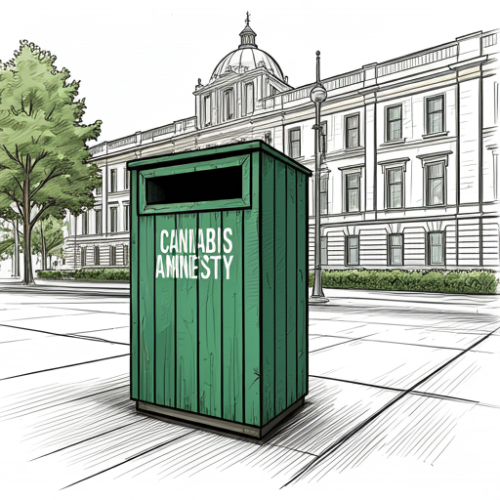
As cannabis legalization sweeps across various regions, a new concept has emerged to help individuals comply with the law—cannabis amnesty boxes. These secure, often government or airport-authorized containers are designed to offer a safer way for people to dispose of cannabis before entering areas where it remains illegal or restricted. ♦ Don’t want to take the risk? Try FGE’s high-quality CBD edibles and merchandise for yourself! Check out the FGE shop and FGE Etsy Store ♦ This article is designed for informational purposes and should not be considered legal advice. Always check local laws and regulations before carrying cannabis across borders or into restricted areas. What Are Cannabis Amnesty Boxes? Cannabis amnesty boxes are lockable containers placed in strategic locations such as airports, border crossings, or event venues. Their primary purpose is to allow individuals to anonymously dispose of cannabis or related products without facing legal consequences. These boxes are typically monitored and maintained by law enforcement or other authorized entities to ensure proper handling and disposal of the substances. The Purpose of Cannabis Amnesty Boxes The introduction of cannabis amnesty boxes is rooted in the need to bridge the gap between legal jurisdictions and prevent unintentional law-breaking. For instance, in places where cannabis is legal, it may still be prohibited in certain areas like airports or federal properties. Amnesty boxes offer travelers a last-minute option to discard cannabis before crossing into areas where they might face fines or arrest. Why Are Cannabis Amnesty Boxes a Good Idea? What good can come from amnesty boxes: Legal Compliance: Amnesty boxes help individuals avoid inadvertent legal violations, especially in locations where cannabis possession remains strictly controlled. Public Safety: By providing a safe disposal method, these boxes reduce the likelihood of people abandoning cannabis in public spaces, which could potentially harm others, including children or pets. Harm Reduction: They contribute to harm reduction efforts by ensuring that discarded cannabis is handled and disposed of properly, preventing environmental contamination or misuse. The Drawbacks of Cannabis Amnesty Boxes While cannabis amnesty boxes serve an important function, they are not without controversy: Security Concerns: There have been instances where the boxes were broken into, raising concerns about the security of these deposits and the potential misuse of recovered cannabis. Limited Effectiveness: Critics argue that these boxes might not be as effective as intended. Individuals who are unaware of the boxes or choose not to use them may still carry cannabis into restricted areas, thereby undermining their purpose. Legal Grey Areas: Amnesty boxes can sometimes blur the lines of legal responsibility, leading to confusion among travelers about the consequences of possessing cannabis in certain jurisdictions. Final Thoughts Cannabis amnesty boxes represent a proactive approach to managing the complex legal landscape of cannabis regulation. While they offer significant benefits regarding legal compliance and public safety, they also pose challenges that must be addressed to ensure their effectiveness. As cannabis laws continue to evolve, so too must the strategies for helping individuals navigate them. For further information and research on cannabis laws and the role of amnesty boxes, visit the FDA and NCBI. And, for more information on how amnesty boxes started in the US, visit OJP. These reputable sources provide in-depth analysis and updates on cannabis-related developments.

Cannabigerol, or CBG, is garnering increasing attention within the cannabis community for its potential therapeutic benefits and unique properties. In this article, we’ll explore the ins and outs of CBG, shedding light on its origins, effects, and emerging research. Understanding CBG CBG is a lesser-known cannabinoid found in the cannabis plant. Unlike its more famous counterparts THC and CBD, CBG is typically present in much smaller quantities. It is often referred to as the “mother cannabinoid” because it serves as the precursor to other cannabinoids, including THC and CBD, during the plant’s growth cycle. Potential Benefits While research on CBG is still in its early stages, preliminary studies suggest that it may offer a range of potential health benefits. According to the National Center for Biotechnology Information (NCBI), cannabigerol exhibits certain therapeutic properties and potentials. Some researchers also speculate that CBG may play a role in modulating the endocannabinoid system, which regulates various physiological processes in the body. Legal Status and Regulation Like other cannabinoids, the legal status of cannabigerol varies depending on jurisdiction. In the United States, hemp-derived CBG products containing less than 0.3% THC are federally legal under the 2018 Farm Bill. However, regulations surrounding CBG products may vary from state to state, so consumers are advised to familiarize themselves with local laws and regulations before purchasing CBG products. How to Use CBG CBG is typically consumed in the form of oils, tinctures, capsules, and topicals, but may be available in other forms as well. Some users may prefer to incorporate cannabigerol into their wellness routines by adding it to food or beverages. ♦ Interested in high-quality CBD edibles and merchandise? Check out the FGE shop and FGE Etsy Store ♦ As with any cannabinoid product, it’s essential to start with a low dose and gradually increase as needed to assess individual tolerance and response. Wrapping Up In conclusion, CBG holds promise as a potentially beneficial cannabinoid with a range of therapeutic properties. While more research is needed to fully understand its mechanisms of action and potential applications, early studies suggest that CBG may offer a natural alternative for managing various health conditions. As interest in cannabigerol continues to grow, it’s essential for consumers to seek out reputable sources and consult with healthcare professionals before incorporating CBG into their wellness regimens. For more information on cannabigerol and its potential benefits, individuals are encouraged to explore reputable sources such as government agencies, academic institutions, and peer-reviewed scientific journals.