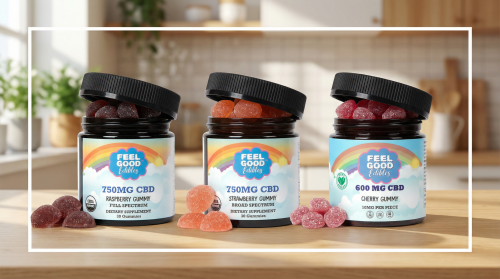

Imagine a shopper standing in front of a display of gummies in 2026, reading words like hemp-derived, THC-free, broad-spectrum, and legal as if they all mean the same thing. They do not. That confusion is exactly why this year matters so much for CBD shoppers. As lawmakers, regulators, and brands all speak in slightly different language, adults who simply want a calm, clear-headed routine are being pushed to ask smarter questions before they buy.
The most important truth is reassuring: not every gummy is caught up in the same legal or consumer-risk conversation. The FDA continues to distinguish sharply between approved cannabinoid drugs and over-the-counter CBD products, while current federal debate has focused far more intensely on intoxicating hemp products than on non-intoxicating wellness formats.1 For everyday shoppers, that means 2026 is less about panic and more about product clarity.
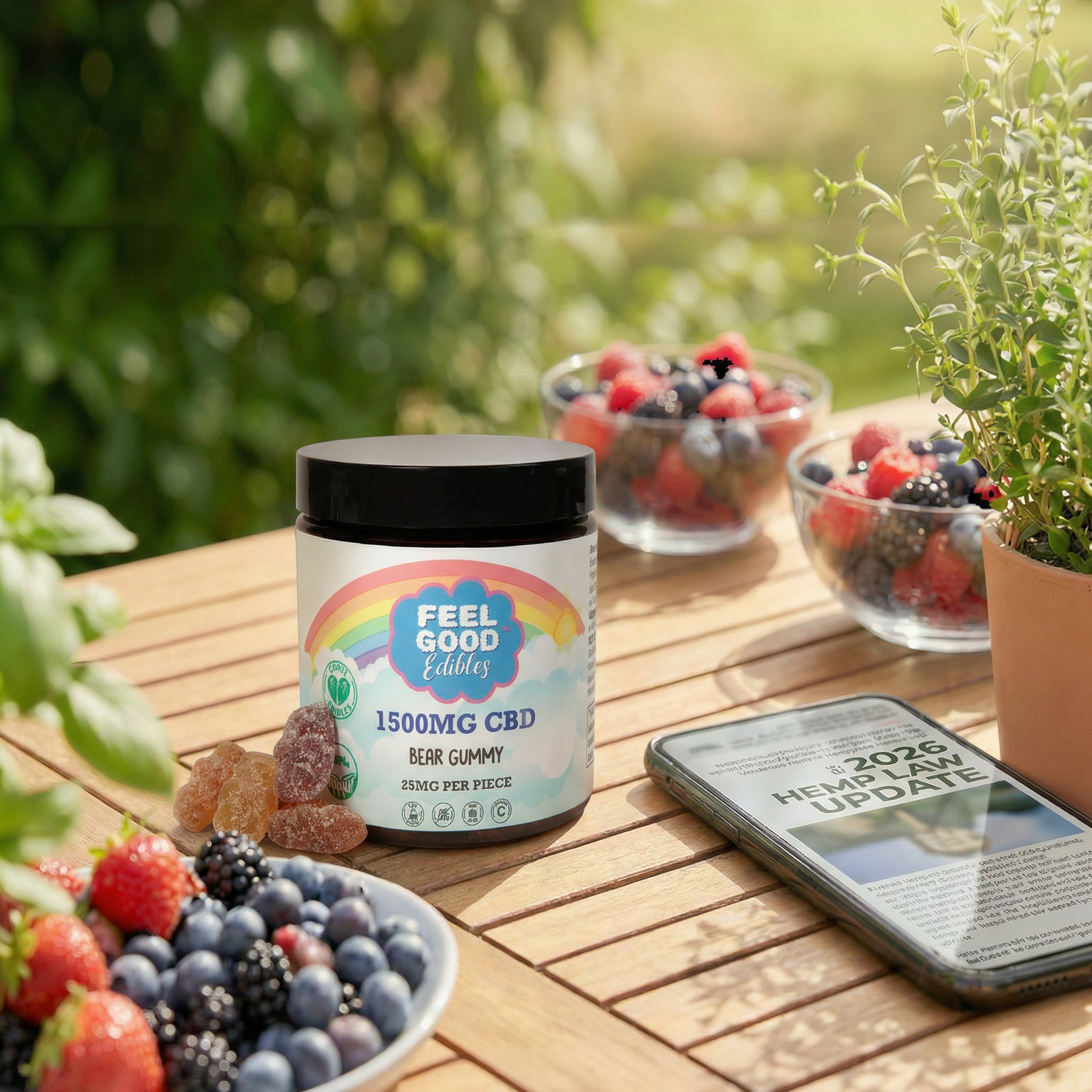
Why the 2026 hemp-law conversation feels louder than ever
For many people, the headlines all blur together. One story warns about a hemp crackdown. Another talks about mislabeled gummies. A third promises the perfect edible for sleep, stress, or everyday balance. The result is a marketplace where consumers often feel as if they need a law degree, a lab background, and a sixth sense just to shop with confidence.
What is really happening is simpler. The market is sorting itself into clearer categories. Products designed to intoxicate are drawing the most scrutiny. Products marketed irresponsibly are attracting more skepticism. And products that are transparent about ingredients, serving sizes, and independent lab testing are becoming easier for careful shoppers to spot.1
| Shopper concern | What it means in 2026 | Why it matters |
|---|---|---|
| Intoxication | Some hemp-derived products are formulated to create a noticeable buzz | These products face the greatest legal and enforcement pressure |
| Transparency | Labels and lab reports vary widely from brand to brand | Shoppers need clear CBD and THC amounts per serving |
| Predictability | Two gummies can look similar while delivering very different experiences | Everyday wellness shoppers benefit from THC-free or clearly explained options |
That distinction matters for Feel Good Edibles readers because many are not shopping for a stronger high. They are looking for a steadier, more practical routine. They want a gummy that fits a real day: a busy inbox, an evening wind-down, a weekend reset, or a simple effort to feel more at ease without stepping into confusing territory.
What the FDA and major consumer-health sources actually suggest
The National Center for Complementary and Integrative Health notes that the FDA has not approved the cannabis plant for general medical use, even though certain cannabinoid-based prescription drugs do exist for specific conditions.1 The same source also warns that over-the-counter CBD products may contain more or less CBD than the label states and may include contaminants or unintended THC.1 In other words, the issue is not just whether a gummy sounds appealing. It is whether the product can prove what it is.
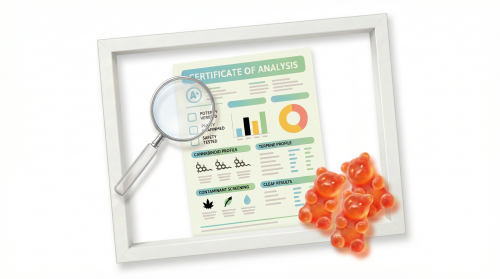
Project CBD reaches a similar consumer conclusion from a different angle. Its guidance encourages shoppers to check the amount of CBD and THC per serving, verify a third-party Certificate of Analysis, avoid brands making explicit health claims, and think carefully about ingredient quality, especially in gummies.2 When two independent sources keep returning to the same ideas, consumers should pay attention.
“Check the Certificate of Analysis (COA) to verify that a product has gone through independent lab testing for quality assurance.” — Project CBD2
That sentence captures the mood of the moment. In 2026, trust is not built by flashy promises. It is built by documentation.
How to shop smarter for CBD gummies in 2026
A careful shopper today behaves almost like a thoughtful editor. Instead of asking only whether a gummy tastes good or looks premium, they ask what the label says, what the lab report confirms, and what the brand is willing to explain. This kind of shopping is not cynical. It is simply informed.
| What to review | What to look for | What it tells you |
|---|---|---|
| Cannabinoid label | Clear CBD and THC amounts per serving | Whether the product matches your intended experience |
| COA or lab report | Independent testing for potency and contaminants | Whether the formula appears verified beyond the marketing copy |
| Brand language | Calm, educational wording instead of miracle claims | Whether the company is selling responsibly |
| Ingredient list | Straightforward ingredients and serving guidance | Whether the gummy fits a repeatable daily routine |
This matters even more in edibles, where timing and predictability are part of the experience. A gummy is not a one-second format. It is something people often build into an evening ritual, a travel kit, or a moment of quiet after a long day. That makes consistency worth more than hype.
THC-free gummies versus intoxicating hemp edibles
The phrase hemp gummy is doing too much work in the modern market. One product may be a straightforward CBD edible meant for a clear-headed routine. Another may be a high-impact hemp-derived THC product designed for intoxication. Both may sit under a loose umbrella of “hemp,” yet they are not interchangeable in use, legal risk, or shopper intent.
For consumers who value routine, the practical question is not which product sounds strongest. It is which one feels most understandable. A THC-free gummy often appeals to adults who want a more predictable experience and do not want to wonder whether a serving will derail the rest of the evening. That preference does not make them cautious in a negative sense. It makes them discerning.
| Product type | Typical shopper motivation | 2026 takeaway |
|---|---|---|
| THC-free CBD gummies | Calm, clarity, consistency, everyday use | Often the simplest fit for shoppers who want non-intoxicating support |
| Broad-spectrum gummies | CBD-focused routine with additional hemp compounds and low or no THC depending on formula | Useful when transparency and testing are clear |
| Intoxicating hemp edibles | Recreational or stronger experiential effect | Most likely to attract heightened legal and regulatory attention |
If you are building a routine around clarity rather than intensity, this distinction can save time, money, and frustration.
If you want to keep learning, the Feel Good Edibles library has more to offer. Readers exploring how products fit daily routines may enjoy Pairing CBD Edibles with Food, What are Total Active Cannabinoids (TAC)?, and Understanding the Differences Between Delta THC Cannabinoids.
Common questions shoppers are asking right now
Are CBD gummies still relevant in 2026?
Yes, especially for adults who want a non-intoxicating edible format that feels approachable and routine-friendly. The key issue is not whether gummies still matter, but whether the label, testing, and brand communication are trustworthy.1
Will every hemp gummy be treated the same under future rules?
No. Current public debate and consumer reporting continue to draw a clear distinction between non-intoxicating CBD products and intoxicating hemp-derived THC products, which are more likely to attract scrutiny.1
What is the safest way to compare gummies before buying?
Start with the per-serving cannabinoid amounts, review the COA, read the ingredient list, and be skeptical of exaggerated medical language. If the product seems vague where it should be precise, keep looking.1
Why should the smaller details on the label matter so much?
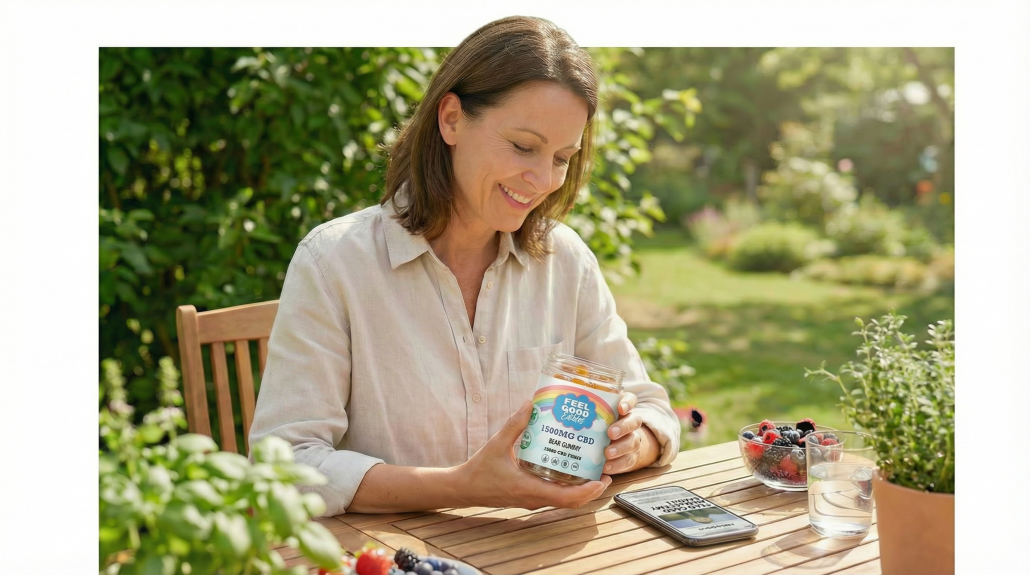
Because small print often carries the real story. A product that looks polished from the front can still be unclear about THC content, testing dates, or serving size. The quiet details are usually where confidence is either earned or lost.
The bottom line
In 2026, the smartest CBD shoppers are not the ones chasing the loudest promises. They are the ones learning how to read the market with a steadier eye. They understand that not all hemp-derived gummies belong in the same conversation, that transparency matters more than trendiness, and that a responsible brand should make clarity feel easy.
For adults who want a calmer, more dependable edible routine, the path forward is still open. It simply runs through better labels, better questions, and better habits. That is what thoughtful shopping looks like now.
If you are exploring gummies that fit real life rather than marketing fantasy, browse the Feel Good Edibles shop or take the Feel Good quiz to narrow down the format that best matches your routine.
FDA Disclaimer: These statements have not been evaluated by the Food and Drug Administration. These products are not intended to diagnose, treat, cure, or prevent any disease.
More To Explore
If this guide helped you make sense of the category, continue with How CBD Edibles May Help Improve Gut Health, Cannabinoid-Infused Drinks May Be Alternatives to Alcohol, and 7 Little-Known Cannabinoid Facts.