
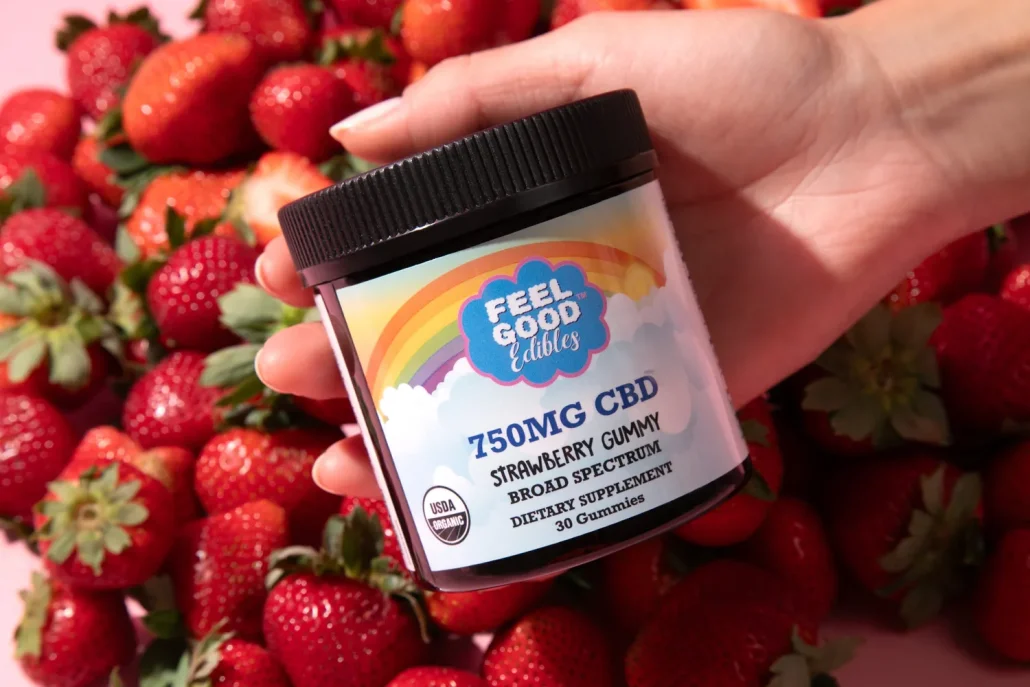
Here’s a little secret about the busiest week of the year: the moments people remember are rarely the big ones. It’s the quiet cup of something warm before the house wakes up. The relative who finally tells you what you meant to them. The walk after dinner when the sky turns orange. This Thursday, most of us will gather around a table, and a lot of us will feel thankful. In a YouGov poll taken November 8–10, 2026, 92% of Americans said they are thankful this year. That’s a beautiful number. But the same season can feel heavy, too. In LifeStance Health’s 2026 Holiday Mental Health Report, 80% of people said they feel pressure to appear happier than they really are during the holidays, up from 69% last year. So this week, we’re doing something different. No perfect-holiday pressure. Just seven small, feel-good rituals that make gratitude something you do, not something you perform. Welcome to the Gratitude Reset, and to the very first post in our new Monday series. Why Gratitude Deserves a Spot at the Table Gratitude isn’t just a nice word on a place card. Researchers have been studying it for years. As Psychology Today summarized this month, a 2023 systematic review of 44 articles, covering more than 16,500 participants, found a strong connection between a grateful outlook and life satisfaction. A separate 2023 review of 64 randomized studies found that gratitude exercises, on the whole, led to more feelings of gratitude and greater life satisfaction. Even better, gratitude tends to spread. Cornell researchers found that people who felt grateful were more likely to volunteer, donate and show up for others. That’s the kind of feeling worth passing around like the mashed potatoes. As a McGovern Medical School psychologist at UTHealth Houston put it in a November 18 Q&A, stress and gratitude can co-exist. You don’t have to pretend everything is perfect to notice what’s good. 7 Feel-Good Rituals for Your Gratitude Reset 1. Get specific when you go around the table “I’m thankful for my family” is lovely. “I’m thankful my sister drove three hours in the rain to be here” is unforgettable. Research highlighted by Psychology Today suggests that naming a specific act of kindness is more likely to bring the good feelings tied to gratitude. Gently encourage everyone to name one real moment from this year. 2. Turn your thanks into action Words are wonderful, and actions are even better. Offer to dry the dishes. Bring a plate to the neighbor who lives alone. Clear the driveway before anyone asks. As the same Psychology Today summary notes, small acts of help boost connection and well-being more than words alone. 3. Write one gratitude letter Think of one person who changed your year, maybe a teacher, a friend, or the coworker who always had your back. Write them a short letter about exactly how they made a difference, then share it. Positive-psychology studies have found that writing and sharing this kind of letter can bring a real lift in happiness. It takes ten minutes, and they may keep it forever. 4. Protect your rest like it’s the last slice of pie If you feel like this year wore you out, you’re not alone. In a Talker Research survey of 2,000 Americans, 63% said 2026 has been “exhausting,” and 74% said the end of the year should be a time of rest. Yet six in 10 people who celebrate a winter holiday say they struggle to get enough sleep this season. Give yourself permission to leave the party a little early, put the phone down and let the evening be slow. 5. Take the after-dinner walk Some of the best conversations happen side by side, not face to face. A 20-minute stroll after the meal gets everyone outside, away from screens, and into the crisp November air. UTHealth Houston’s advice for the season includes taking care of your body and slowing down to simply breathe, even for a few minutes each day. Make it a new family tradition. 6. Keep it simple, and kind to your wallet The holidays can quietly turn into a spending contest. LifeStance found that 82% of Americans feel heightened financial anxiety this time of year. Choose the two or three traditions that matter most and let the rest go. A potluck, a game night or a handwritten note can mean more than anything in a shopping cart. 7. Create a small “just for me” moment Before the guests arrive or after the last dish is put away, carve out ten minutes that belong only to you. Light a candle. Pour a warm tea. Write three things you noticed today. For many adults 21+, a CBD gummy has become a simple part of that personal wind-down ritual. If that’s you, keep it easy and consistent; our guide to building a beginner-friendly CBD gummies routine walks through timing and reading labels. Good News Worth Passing Around the Table Every Monday, we’ll share one uplifting story from the world of hemp and cannabis. Here’s this week’s. On November 12, Moroccan pharmaceutical company Pharma 5 announced it had produced the country’s first fully Moroccan-made, regulated CBD medicine, after five years of research. What makes the story so heartwarming is who it reaches beyond the lab. According to Morocco World News, the project has put more than 40 hectares of regulated cultivation to work in the Rif region, bringing regular, stable incomes to 70 local families. It’s a reminder of what this plant has always been about: farmers, families and communities. Wherever it grows, a lot of care goes into every harvest. That’s something to be grateful for, too. A Little Something for Your Gratitude Ritual If you’d like a feel-good treat for your “just for me” moment, our gummies are vegan, THC-free and made for adults 21+: The Gentle Lift, 600mg CBD Cherry Gummy: an easy 10mg of CBD in a tart cherry gummy, made for regular days. The Daily Reset, 750mg CBD Strawberry
Introduction: A Shift in the Cannabis Conversation The world of cannabis and its derivatives is constantly evolving, driven by new research, changing perceptions, and significant policy shifts. Recently, a major development has captured headlines: the reclassification of cannabis to Schedule III by the U.S. Department of Justice. This move, while seemingly technical, carries profound implications that ripple through the entire industry, affecting everything from research to product availability. For many, the immediate question is: what does this mean for my beloved CBD routine? Will the Schedule III cannabis impact my access to CBD? Let’s delve into the nuances of this change and clarify its potential effects on your wellness journey. The Science Behind the Shift: Understanding Schedule III To truly grasp the significance of this reclassification, it’s essential to understand the Controlled Substances Act (CSA) and its scheduling system. Historically, cannabis has been classified as a Schedule I substance, alongside drugs like heroin, implying a high potential for abuse and no accepted medical use. This classification severely hampered research and created significant legal hurdles for the industry. The move to Schedule III, however, places cannabis in a category with substances like Tylenol with codeine, acknowledging its accepted medical uses and a moderate to low potential for physical and psychological dependence. This federal cannabis reform is a monumental step, opening doors for more extensive scientific inquiry and potentially streamlining regulatory pathways. The Schedule III cannabis impact on research alone is expected to be transformative, allowing scientists to explore the full therapeutic potential of cannabinoids without the restrictive barriers of a Schedule I classification. The Schedule III Cannabis Impact on CBD Products For consumers of hemp-derived CBD products, the immediate, practical Schedule III cannabis impact might seem less dramatic than the headlines suggest. The 2018 Farm Bill already legalized hemp—defined as cannabis with less than 0.3% Delta-9 THC—effectively separating CBD from marijuana in the eyes of federal law. Therefore, your access to high-quality CBD products, like those offered by Feel Good Edibles, remains secure. However, the broader Schedule III cannabis impact on the industry is undeniably positive. The rescheduling signals a shift towards a more rational, science-based approach to cannabis policy. This changing tide is likely to foster a more stable and mature market, encouraging further investment and innovation. As the stigma surrounding cannabis continues to dissipate, we can expect a greater emphasis on quality control, standardized testing, and transparent labeling—principles that have always been central to the Feel Good Edibles philosophy. What This Means for Your Wellness Routine If you’re currently enjoying the benefits of CBD, whether it’s for promoting overall well-being, you can continue your routine with confidence. The Schedule III cannabis impact does not threaten the legality or availability of hemp-derived CBD. Instead, it validates the growing recognition of cannabis’s therapeutic value. As the industry matures and research expands, you can anticipate an even wider array of targeted and effective CBD products. The focus will increasingly shift towards understanding the synergistic effects of different cannabinoids and terpenes, leading to more sophisticated formulations designed to address specific wellness needs. Benefits Beyond the Buzz: How Rescheduling Enhances Wellness The reclassification to Schedule III is not just a legal formality; it’s a catalyst for enhanced consumer confidence and product quality. With cannabis now recognized for its medical value, we can anticipate a surge in research and development. This will lead to a deeper understanding of cannabinoids, terpenes, and their synergistic effects, ultimately resulting in more targeted and effective products. The increased research will likely uncover new applications and refine existing ones. This commitment to science aligns perfectly with the values of Feel Good Edibles, where quality and efficacy are paramount. The Schedule III cannabis impact ultimately benefits the consumer by raising industry standards. Navigating Your Choices: The Feel Good Edibles Difference In this evolving landscape, choosing the right CBD products becomes even more crucial. While the Schedule III reclassification is a positive step, it doesn’t automatically guarantee the quality of every product on the market. Consumers must remain vigilant, prioritizing transparency, third-party testing, and reputable brands. Feel Good Edibles stands as a beacon of trust and quality. Our commitment to providing premium, lab-tested CBD products ensures that you receive the purest and most effective experience. Every Feel Good Edibles product is crafted with your well-being in mind. We believe in empowering you with natural solutions that enhance your life, and our dedication to excellence remains unwavering, regardless of federal classifications. Conclusion: A Brighter Future for CBD Wellness The Schedule III cannabis impact marks a significant turning point, signaling a more enlightened approach to cannabis policy. While the full ramifications will unfold over time, the immediate outlook for CBD users is overwhelmingly positive. Increased research, clearer regulations, and a more accepting public perception will undoubtedly lead to a richer, more diverse, and more effective range of CBD products. Feel Good Edibles remains at the forefront of this exciting journey, dedicated to delivering the highest quality CBD solutions to help you live a more balanced and fulfilling life. Embrace the future of wellness with confidence, knowing that your journey with Feel Good Edibles is supported by science, quality, and a commitment to your well-being.

Build a beginner-friendly CBD gummies routine with clearer product selection, practical timing, and better label awareness.
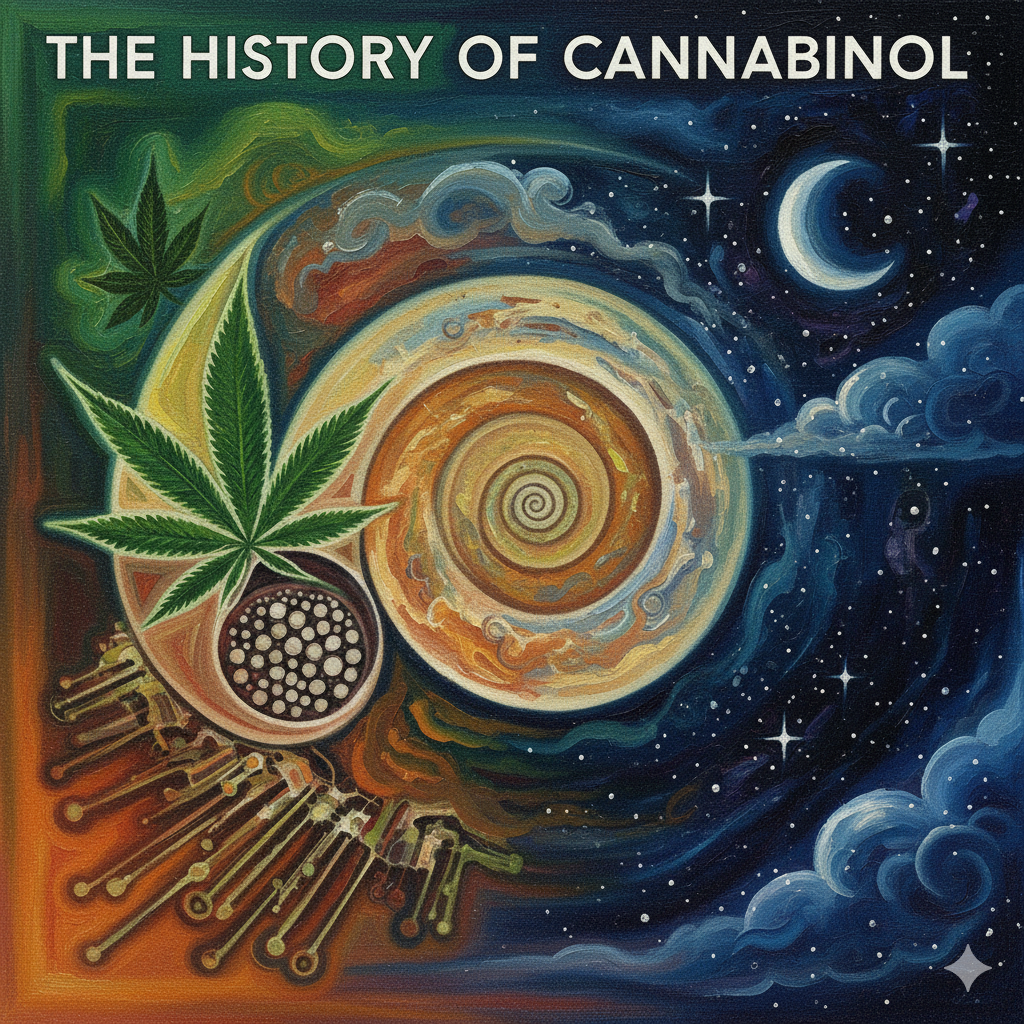
Discovery and Early Research Cannabinol was the first cannabinoid to be isolated from cannabis. British chemists Thomas B. Wood, W. T. N. Spivey, and Thomas Hill Easterfield isolated it in 1896. However, they were unable to determine its exact structure. In the 1930s, British chemist Robert Sidney Cahn was the first to accurately identify its chemical formula, and a decade later, in the 1940s, Roger Adams and his colleagues at the University of Illinois were the first to determine and synthesize the structure of CBN. For many years, scientists believed CBN was the primary psychoactive compound in cannabis. However, this theory was disproven in 1964 when Israeli chemist Raphael Mechoulam and his team at the Weizmann Institute of Science successfully isolated and synthesized delta-9-tetrahydrocannabinol (THC), the true psychoactive component responsible for the cannabis “high.” This pivotal discovery shifted the focus of cannabinoid research away from CBN. How Cannabinol is Formed Unlike other major cannabinoids like THC and cannabidiol (CBD), CBN is not produced directly by the cannabis plant. It is a byproduct of the degradation of THC that occurs over time with exposure to light and air. When THC molecules break down, they oxidize and convert into CBN. This is why CBN is found in higher concentrations in aged or poorly stored cannabis. Modern-Day Interest In the years following the discovery of THC, CBN was largely ignored by researchers. CBN’s unique history as the first isolated cannabinoid and its distinct formation process make it a fascinating subject in the world of cannabis science.
In the ever-evolving landscape of cannabis science and consumer understanding, a term that’s gaining increasing prominence is TAC, or Total Active Cannabinoids. While THC and CBD have long dominated the conversation, TAC offers a broader perspective on the chemical richness and potential effects of cannabis products. Understanding Total Active Cannabinoids requires a journey through the history of cannabinoid research, a clear definition of what it encompasses, and an appreciation for its significance in today’s cannabis market. The Historical Context: Beyond Single Molecules The early days of cannabis research largely focused on isolating and understanding individual cannabinoids, with THC taking center stage due to its psychoactive properties. Scientists diligently worked to identify, isolate, and characterize compounds like CBD, CBN, and CBG. This reductionist approach was crucial for understanding the fundamental effects of each molecule. However, as research progressed, a more holistic view began to emerge. The concept of the “entourage effect,” suggesting that the combined action of various cannabinoids and terpenes could produce effects greater than the sum of their individual parts, gained traction. This shift in perspective paved the way for the increasing relevance of metrics like Total Active Cannabinoids. Initially, cannabis testing often highlighted only the primary cannabinoids, particularly THC and sometimes CBD. However, as analytical techniques became more sophisticated and consumer awareness grew, the limitations of focusing solely on one or two compounds became apparent. Patients and recreational users alike began to seek a more comprehensive understanding of the chemical profile of their cannabis products. This demand for transparency and a more complete picture of the active components fueled the adoption of TAC as a valuable metric. Defining TAC: More Than Just THC So, what exactly is Total Active Cannabinoids? Simply put, TAC represents the total percentage by weight of all identified and quantified cannabinoids in a cannabis product that are considered “active.” This typically includes the major cannabinoids like THC (delta-9-THC and sometimes THCA, which can be converted to THC), CBD (CBD and sometimes CBDA), as well as other minor cannabinoids such as CBG, CBN, CBC, and THCV, among others. The specific list of cannabinoids included in the TAC calculation can sometimes vary slightly depending on the testing laboratory and regulatory requirements. It’s crucial to understand that TAC is not a single compound itself, but rather a summation of the concentrations of multiple individual cannabinoids. Think of it as a measure of the overall cannabinoid potency of a product. A high TAC value indicates that the product contains a significant amount of active cannabinoid compounds, regardless of the specific ratio of those compounds. The Significance of TAC in Today’s Cannabis Landscape The increasing emphasis on TAC reflects a growing understanding of the complex interplay of cannabinoids and their potential effects. TAC is becoming an increasingly important metric. With a more complete picture of potency, the THC percentage remains a key indicator of psychoactive potential. However, TAC offers a more holistic view of the overall potency and potential effects of a product. A product with a lower THC percentage but a high TAC might still contain significant amounts of other active cannabinoids working in concert. TAC acknowledges the potential synergy between different cannabinoids. By considering the total active cannabinoid content, consumers and researchers can better appreciate how the combined presence of various compounds might contribute to the overall experience. Moreover, providing TAC information empowers consumers to make more informed decisions. Individuals interested in minor cannabinoids like CBG or CBN can use the TAC value to gauge the overall presence of these compounds in a product. And, as the cannabis industry matures, standardized testing and labeling become increasingly important. TAC provides a valuable metric for quality control, ensuring that products consistently meet the cannabinoid content levels. For researchers, Total Active Cannabinoids offers a more comprehensive dataset for studying the effects of cannabis. Analyzing the total active cannabinoid profile, rather than focusing solely on THC or CBD, can lead to a deeper understanding of the complex pharmacology of cannabis. Navigating TAC on Product Labels When examining cannabis product labels, you’ll often find the THC and CBD percentages listed prominently. Increasingly, you’ll also see a TAC percentage. It’s important to understand how this number is derived. Typically, laboratory testing will quantify the individual cannabinoids present in a sample. The TAC is then calculated by summing the percentages of these identified active cannabinoids. It’s worth noting that some labs might also include precursor cannabinoids like THCA and CBDA in their TAC calculation, often after applying a conversion factor to estimate the amount of active THC and CBD that would be present after decarboxylation (the process of heating cannabis, which converts these precursors into their active forms). Understanding how a specific lab calculates TAC can provide further clarity when comparing different products. The Future of TAC: Embracing the Complexity As cannabis research continues to advance and consumer understanding deepens, the importance of TAC is likely to grow. It represents a move away from a singular focus on THC towards a more nuanced appreciation of the complex chemical composition of the cannabis plant. By considering the total active cannabinoid content, we gain a more comprehensive understanding of the potential effects and benefits of cannabis, paving the way for more informed choices, standardized quality control, and more insightful research into this multifaceted plant. TAC, therefore, is not just a number on a label; it’s a symbol of the evolving understanding and appreciation for the intricate world of cannabinoids.